
THE COLLECTION OF MUSEUM DE VOORDE
In 1989, the Historical Society of Old Soetermeer (HGOS) set up the Historical Museum ‘t Oude Huis Foundation, with the aim of establishing professional care and use of the collection. This collection grew slowly from the establishment of HGOS (in 1949) and consisted mainly of agricultural objects and objects relating to life in the village before the 1950s.
Start of the Stadsmuseum
In the late 1990s, in addition to the city’s history, there came a focus on post-war mass culture and interior design, later called “popular design”. The “Popular Design” collection also reflected the history of Zoetermeer as a boomtown and New Town from 1962 onwards. The museum was statutorily separated from HGOS in 1999 and continued as Stadsmuseum Zoetermeer. Exhibitions on history alternated with exhibitions on popular design and home furnishings. The museum also organised participation projects with residents that were innovative for the Netherlands.
Transition to Museum De Voorde
In 2019, Stadsmuseum Zoetermeer in the Dorpsstraat closed and Museum De Voorde opened in the Stadshart. The Museum started focusing more on people, their identity and everyday life from this period onwards. The focus on Zoetermeer and the historical collection was loosened more compared to the period before.
Collection growth
Since the museum was founded in 1989, the collection has grown from about 750 historical objects, to a collection of some 4,800 objects with a broad composition of interior objects from the second half of the 20th century to the present day. The total collection can be divided into roughly two parts:
1)The (regional) historical heritage collection Zoetermeer, which comprises about 30% of the entire collection.
2) The ‘popular design‘ collection, which comprises about 70% of the entire collection.
Collection (Regional) historical heritage Zoetermeer
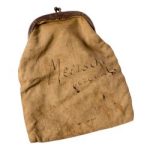
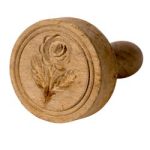
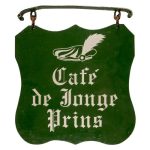
The collection of (regional) historical heritage Zoetermeer runs until 1962, when Zoetermeer was given the status of a growth centre for The Hague. Before this, Zoetermeer was mainly an agricultural municipality, specialising in butter production. The collection comprises several sub-collections:
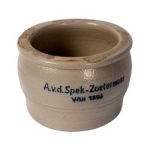
· The subcollection Regional Historical Objects, which have both a historical relationship with Zoetermeer and/or Zegwaard
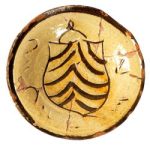
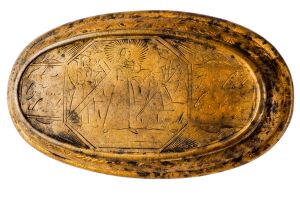
· The subcollection Art historical objects, consisting of some paintings and applied art
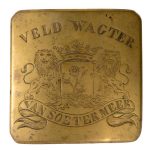
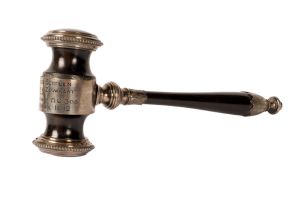
· The subcollection Urban institutions and public life, with objects of great local value, including objects related to municipal administration
· The subcollection Company, profession and technique, which give a picture of the company history in Zoetermeer and Zegwaard, including the dog cart of baker Pieterse falls within this subcollection
· The subcollection Building history with building fragments and decorative carvings and stained glass
· The subcollection Agriculture and animal husbandry with agricultural objects, often of large size
· The World War II sub-collection, including personal items of pilot John McCormick
The Zoetermeer 2008 sub-collection, consisting of over eighty objects collected participatively in the Give & Take project in 2008. This sub-collection can also be seen as a separate collection because of the unique way in which it was acquired and the variety of objects in it. During this project, residents were asked to donate an object to the museum, which for them symbolises the special character of Zoetermeer.
Collection Populair Design
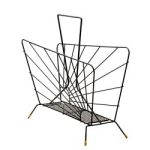
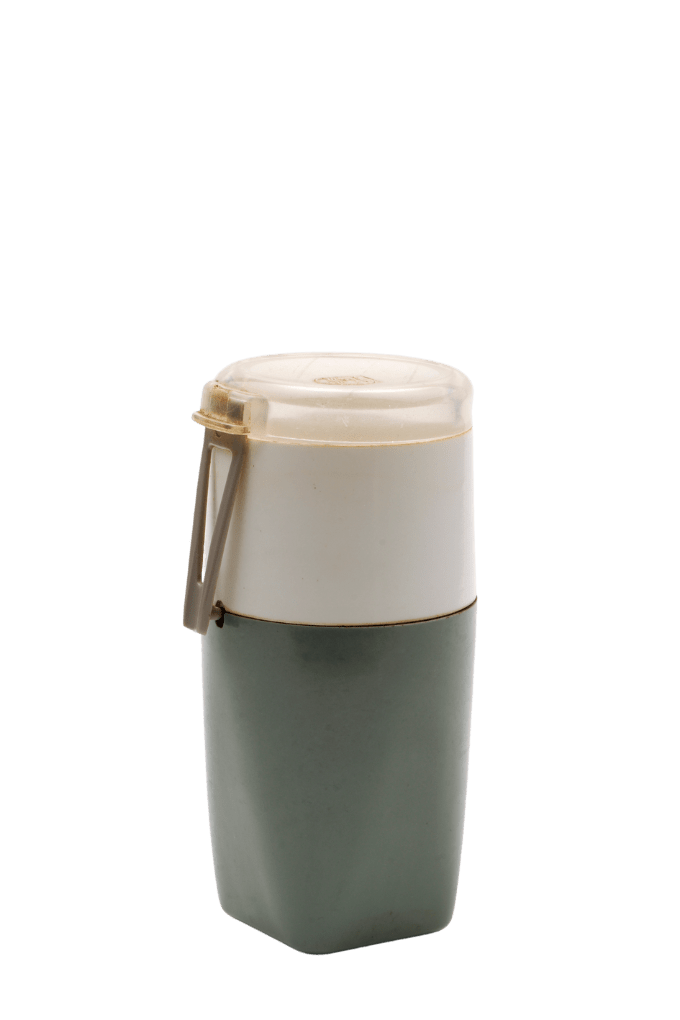
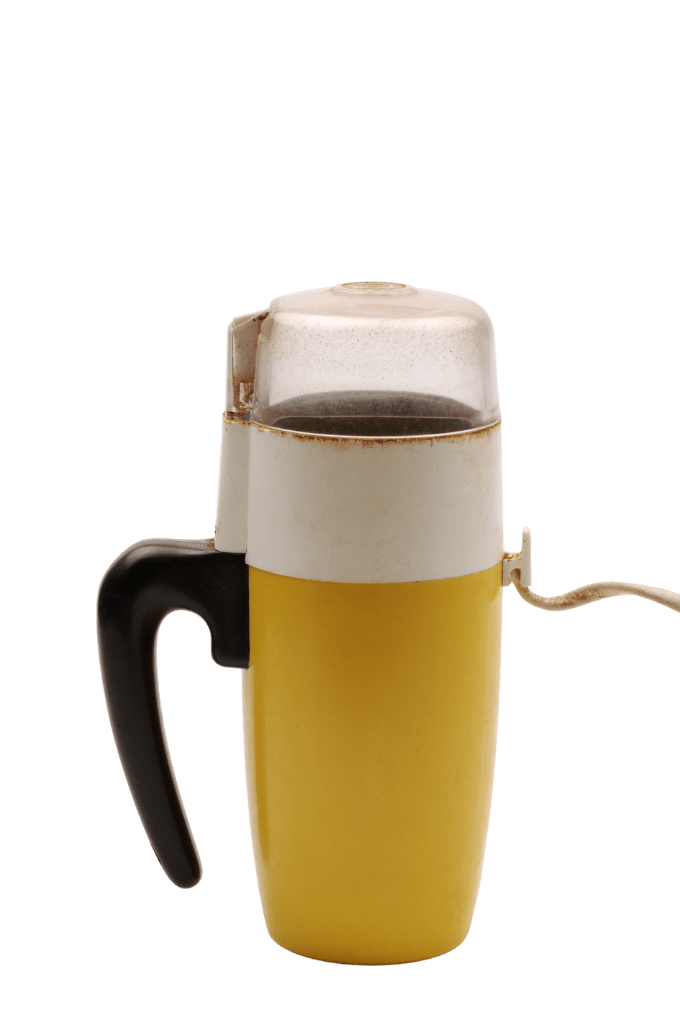
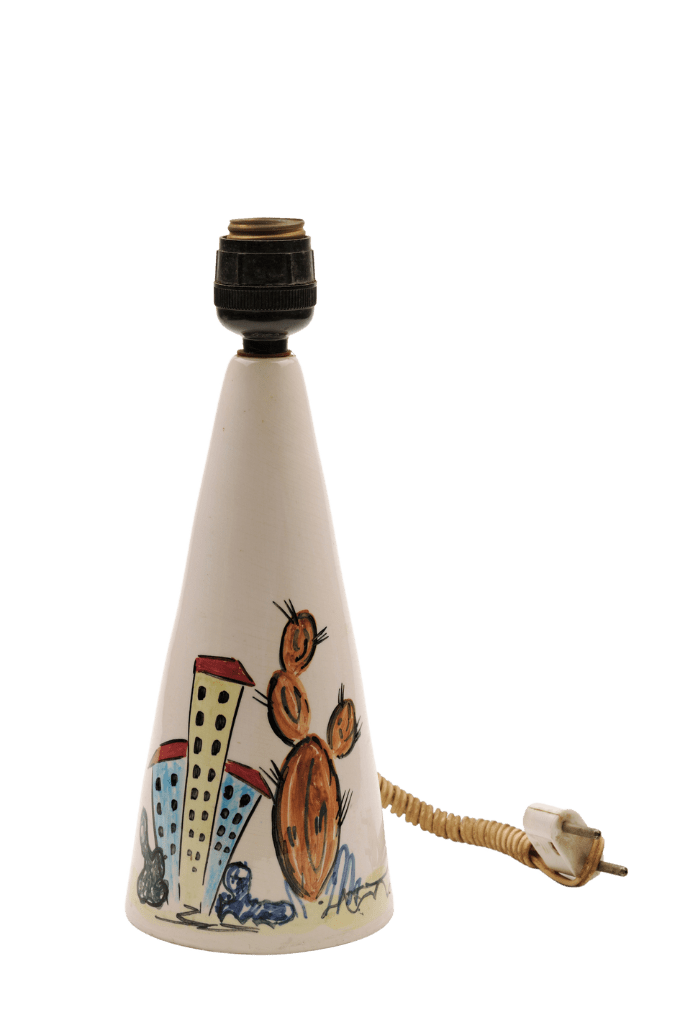
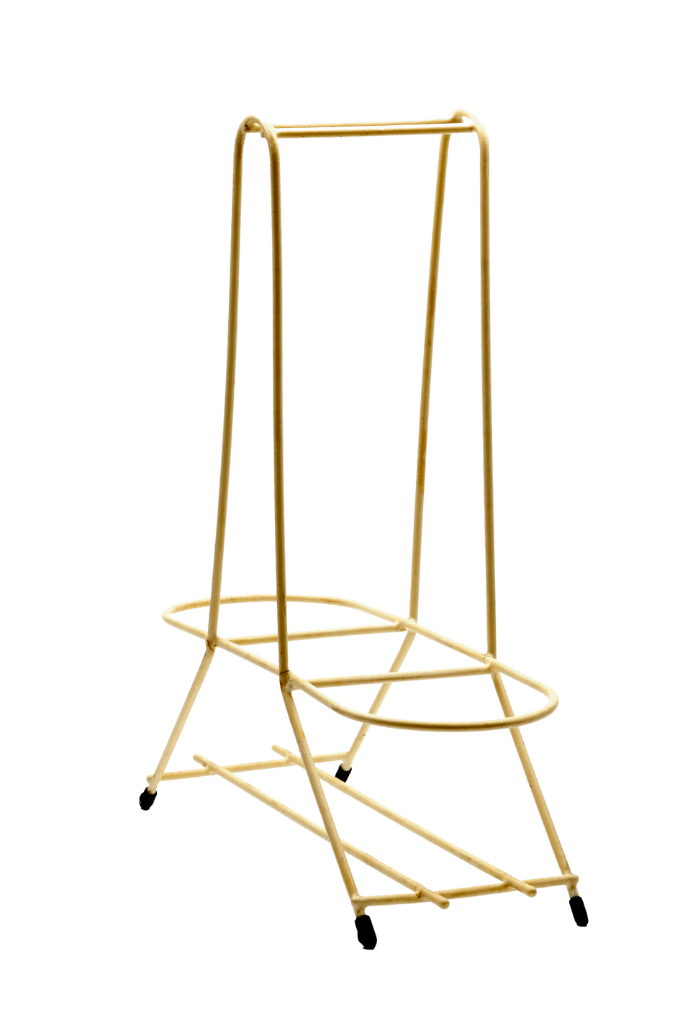
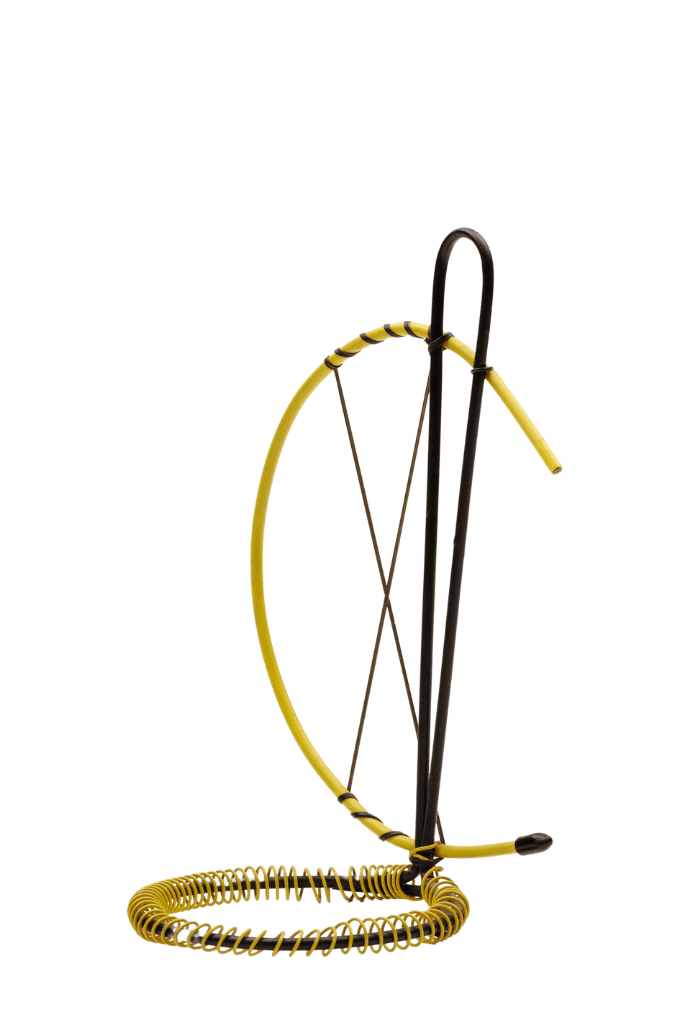
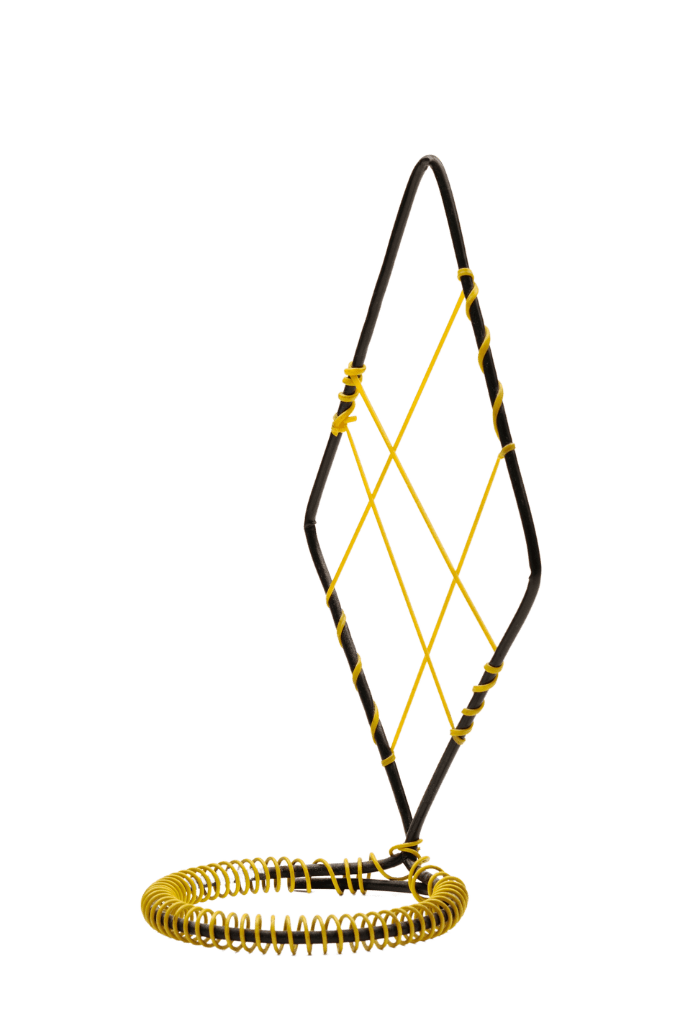
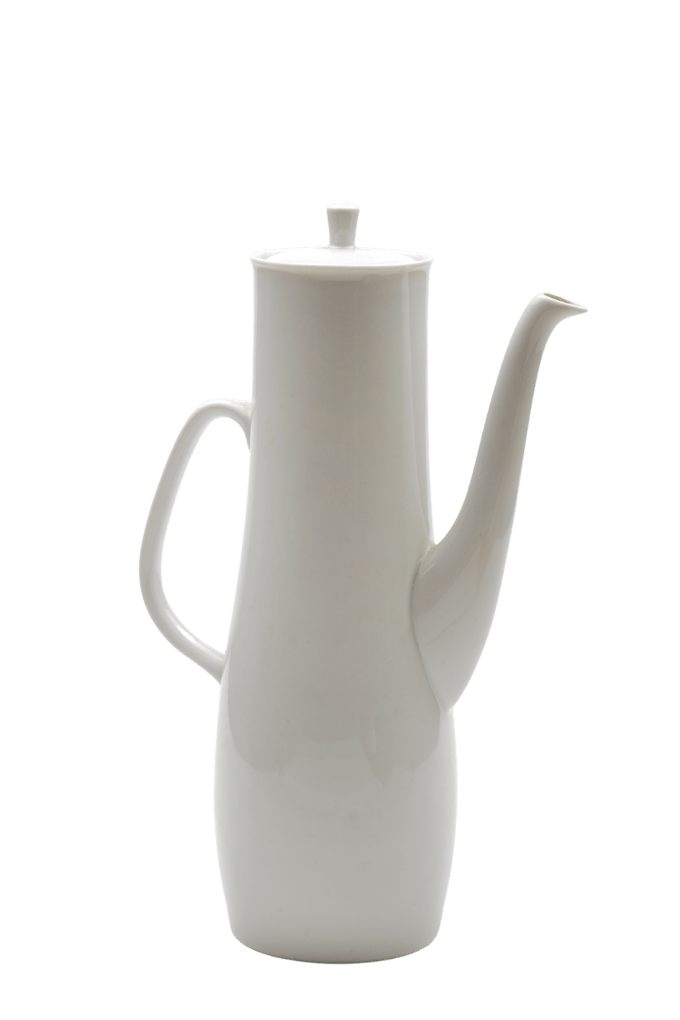
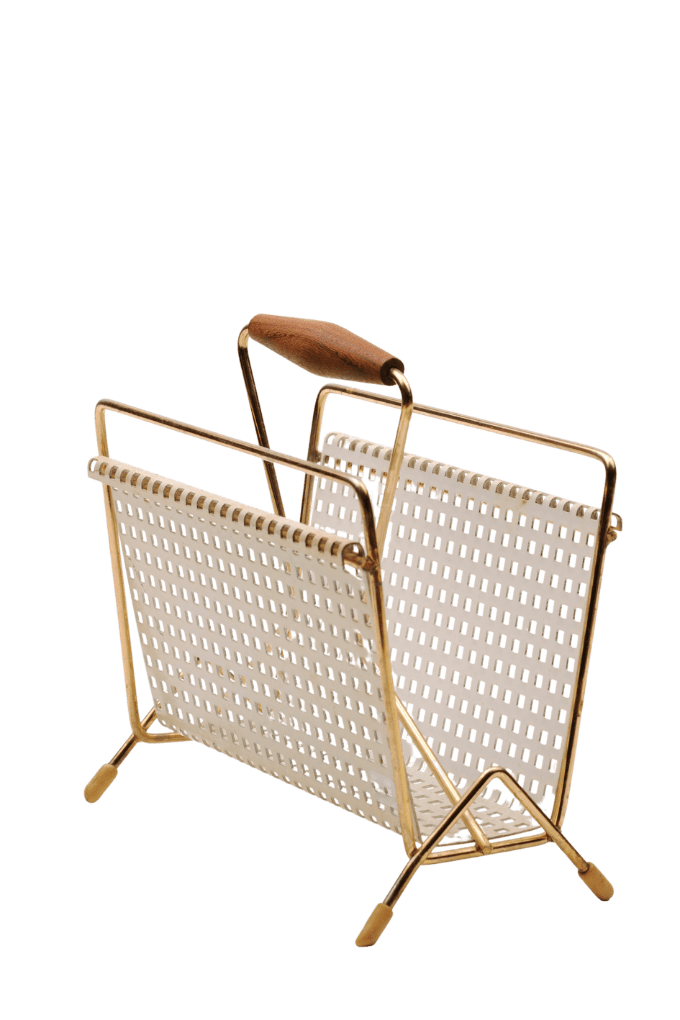
The Popular Design collection consists of everyday interior and utensils that give an impression of life in the Netherlands during the growth of the Netherlands’ growth cities. These are objects that were used by many in the Netherlands in the domestic environment in the years after 1962. The focus is on objects of Dutch manufacture from the 1950s, 1960s, 1970s and 1980s. A number of sub-collections can be distinguished within the popular design collection:
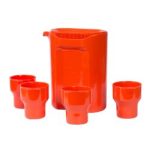
· The sub-collection Design Classics, including the Black Princess tableware and Kan 66 by Koen de Winter
· The Household sub-collection, with household utensils depicting the spirit of the times and the modernisation of the household
· The Home Furnishings subcollection, which includes furniture, as well as other interior objects that depict the changes that have occurred in the home over time
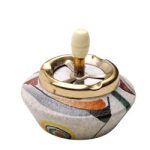
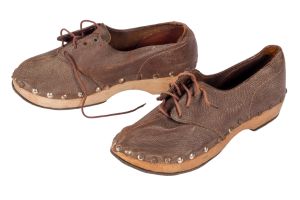
· The Personal attributes subcollection, with objects related to personal care, as well as travel attributes, glasses, footwear and smoking attributes
· The Leisure subcollection, with many toys and other objects related to sports and recreation
· The subcollection School, with objects showing developments in education
· The Communication subcollection, with objects for communicating in the domestic sphere
· The Advertising materials and product packaging subcollection, featuring advertising attributes used by manufacturers to increase their customer loyalty, including pins, football badges and key rings
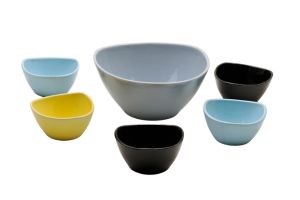
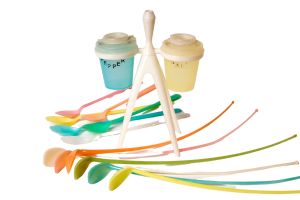
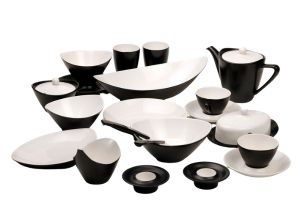
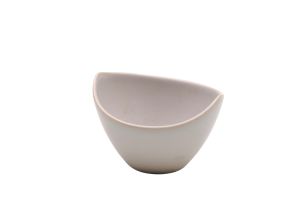
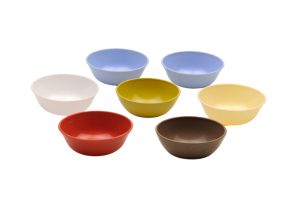
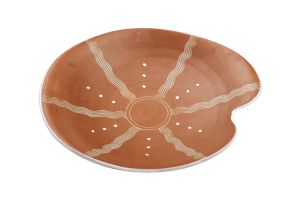
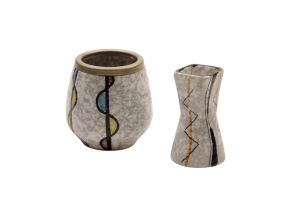
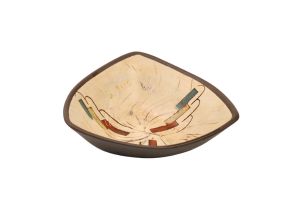
The Popular Design collection also largely includes the museum’s Documentation sub-collection, which includes a library of reference books on the history of Zoetermeer and design. This also includes the collection of lifestyle, fashion and interior magazines. The museum also has a collection of advertising leaflets and instruction manuals from the 1950s onwards, which refer to or belong to parts of the collection.
Are you interested in the collection of Museum De Voorde? In the Collection Profile you will find detailed information on the origins and construction of the collection.
Over ons
Museum De Voorde
is de beheerder van de collectie Zoetermeers Erfgoed en de
collectie Populair Design.
Postadres
Eleanor Rooseveltlaan 3-25
2719AB Zoetermeer
Adres de Ontzameling
Stadhuisplein 21
2711EC Zoetermeer